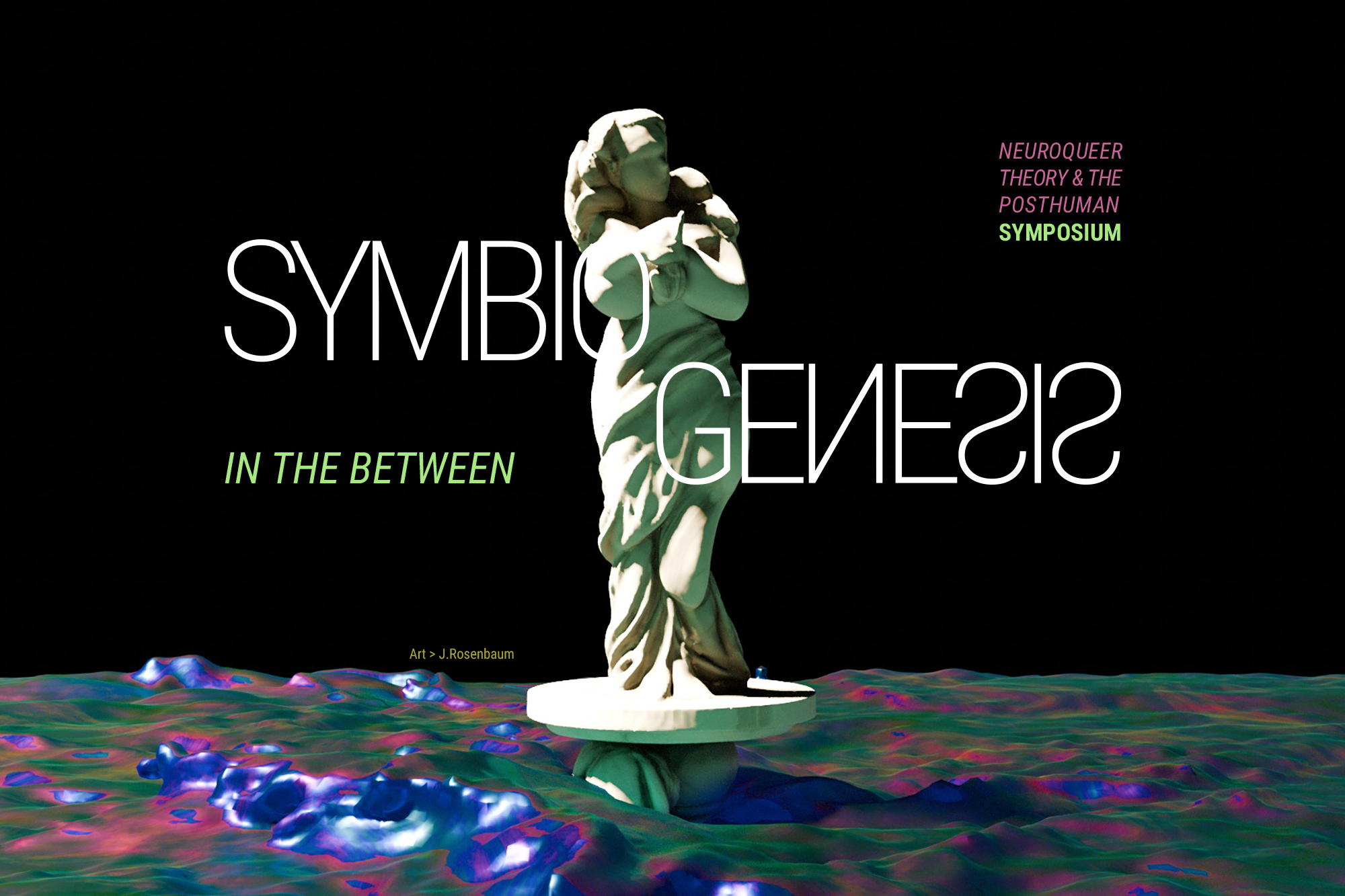
EVENT REGISTRATIONS OPEN SOON!
Running over two gentle days, this symposium aims to nurture space for academic discourse and creative play with neuroqueer theory and the posthuman around our theme of ‘Symbiogenesis – In the between’.
EVENT DETAILS
Date: 25th and 26th of March, 2026
Session details
SESSION ONE – Intimate skins, post-identity & un-becomings
25th of March, PM: Online, afternoon session (AEDT), where we welcome international and local presenters
SESSION TWO – Textual, temporal, spatial assemblages
26th of March, AM: In-person, late morning session (AEDT), held at RMIT Melbourne Swanson St campus, where we welcome local presenters.
SESSION THREE – Cultural texts, monstrous becomings & queer speculations
26th of March, PM: In-person, afternoon session (AEDT), held at RMIT Melbourne Swanson St campus, where we welcome local presenters.
We’re aiming to stitch new sight lines between neuroqueer theories and practices and posthuman theories – drawing connections between theoretical siblings that each aim to disrupt, trouble, deconstruct, crip, queer and hack harmful binaries and their normativitites – The neuroqueer and the posthuman being both ‘critters in a queer litter’ (Haraway, 2016, 105). The key question this symposium takes up is the relation between neuroqueer theory, posthumanism, crip theory and de-colonial practices and the ways each theory and practice overlap and differ. In discussing these overlaps and divergences we hope to nurture a generative space for developing ways of moving together – making kin.
This symposium is being organised by early career researchers and PhD candidates from RMIT School of Art and other disciplines. It is free to present and free to attend.
ACCESSIBILITY & FURTHER DETAILS
A full information pack will be provided with registration, this pack will cover off presentation and publication specifics, including a full Social Story with images and descriptions of accessibility access to the in person room and online room. Supports we may not have considered will be provided to the best of our ability.
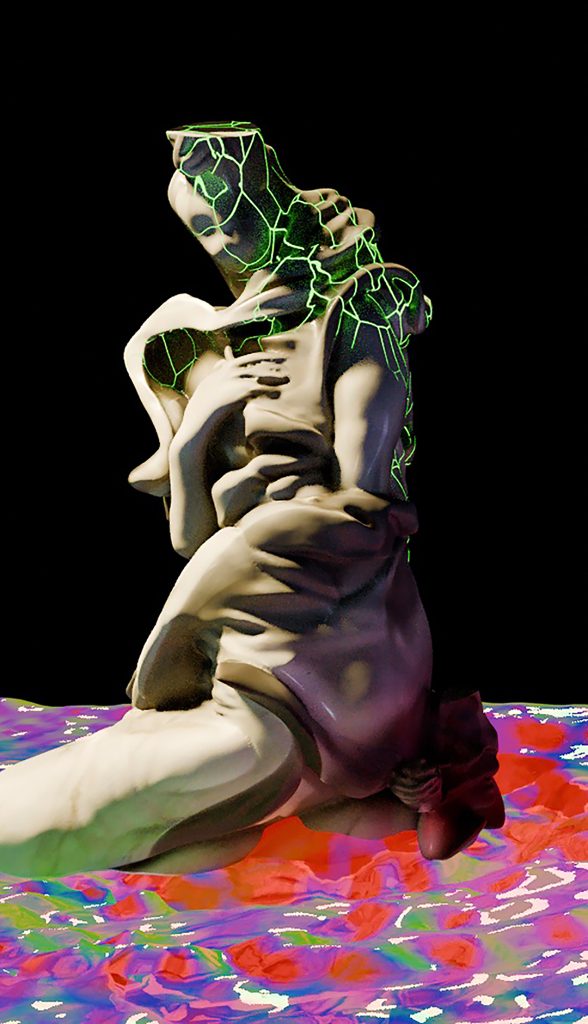
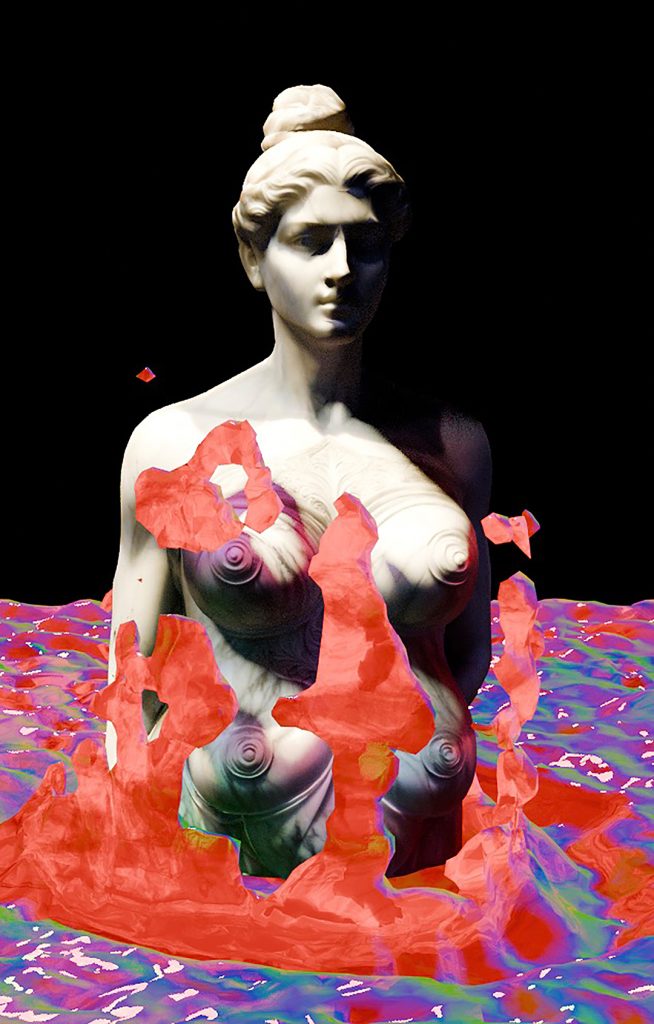
Co-curated and co-presented by - J Rosenbaum, Christine McFetridge, Sara Kian-Judge & Angelique Joy - early career researchers/PhD candidates at RMIT School of Art.
Symposium publication co-curated and edited by – J Rosenbaum, Christine McFetridge, Sara Kian-Judge & Angelique Joy.

Dr J. Rosenbaum - Lecturer Digital Media, RMIT School of Design
J combines classical aesthetics with modern technology to explore the problems of AI with AI.
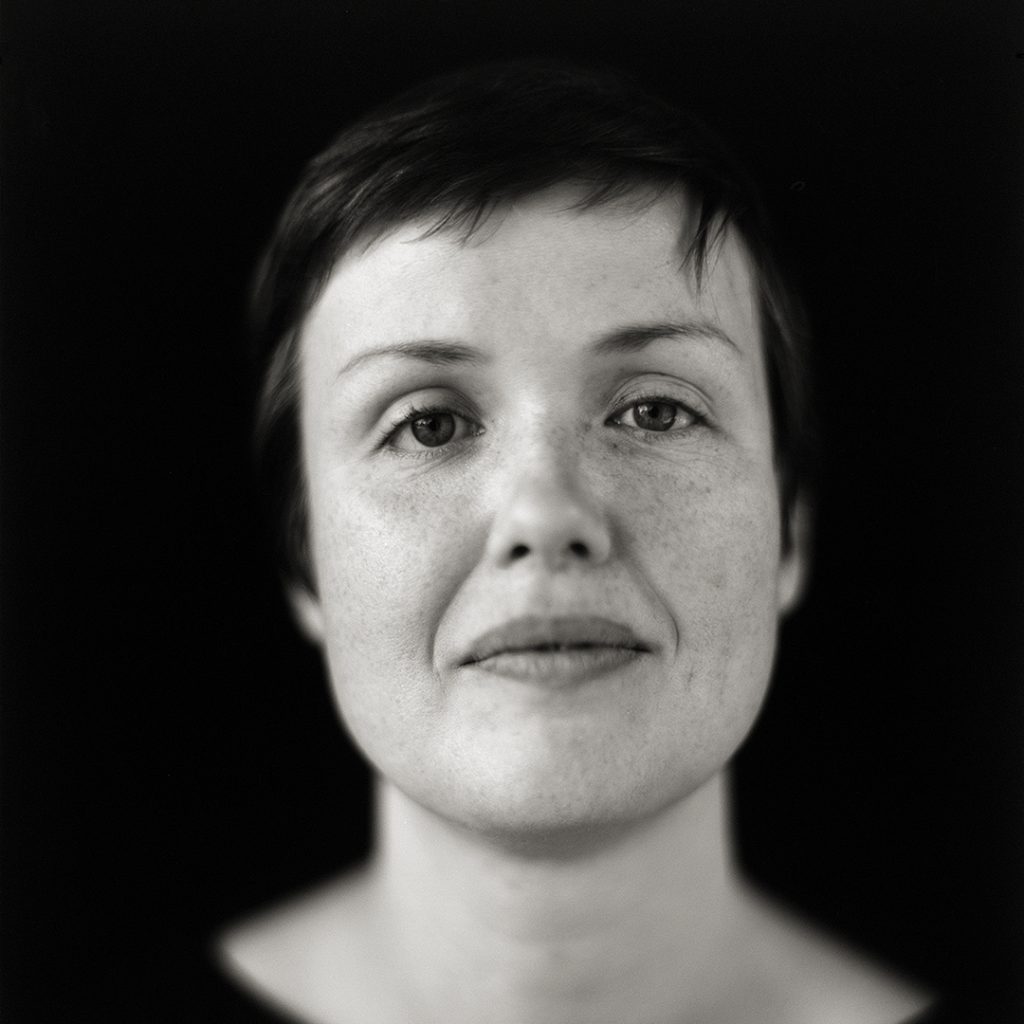

Angelique Joy is a multidisciplinary visual artist working with photography, moving image, textile sculpture and virtual extensions of their work to explore neuroqueer and posthuman ways of being and caring (maternal). Angelique has published and exhibited their works nationally and internationally, nationally, they have been a Bowness Photography prize, Fisher’s Ghost and Waterhouse art prize finalist.
Co-collaborators and support – Dr. Grace McQuilten and Dr. Fiona Hillary.
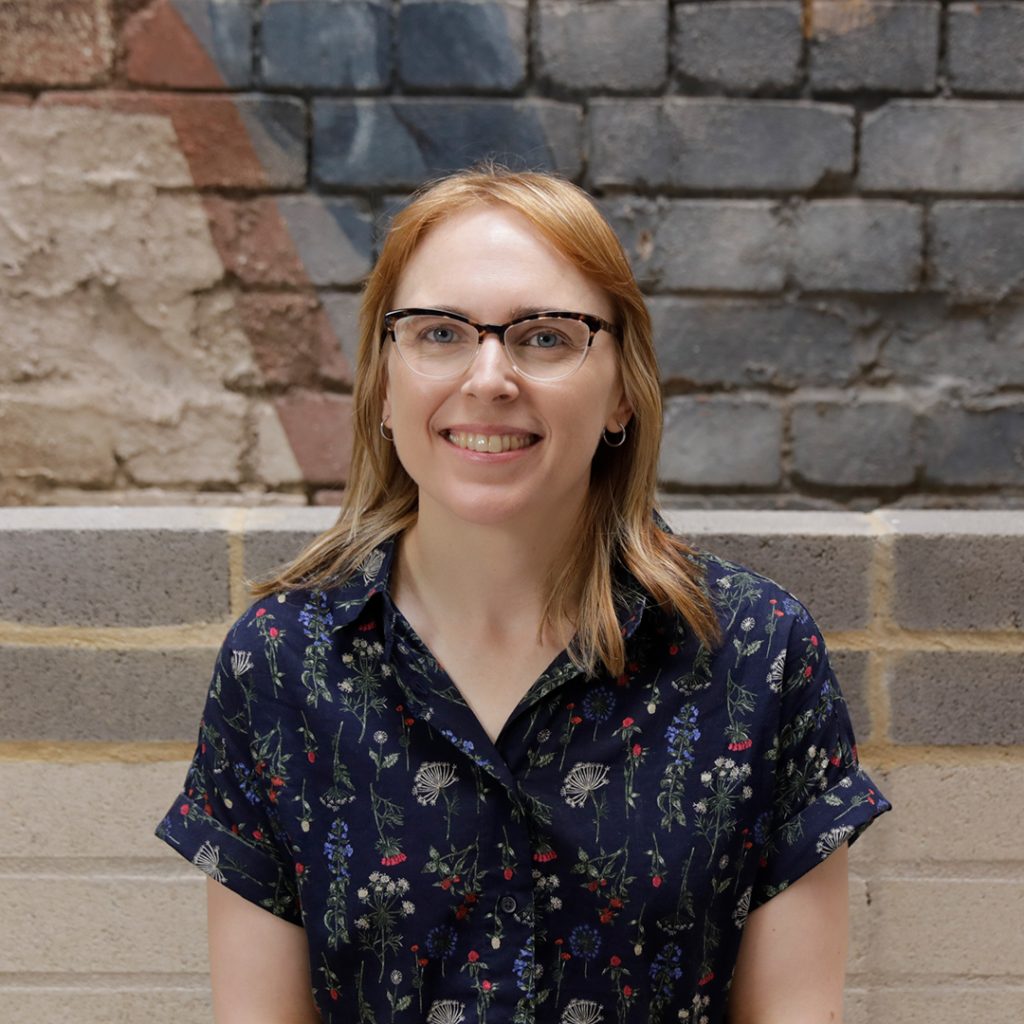
Dr. Grace McQuilten - Associate Dean, Research & Innovation RMIT School of Art
Dr. Grace McQuilten is a published art historian, curator and artist with expertise in contemporary art and design, public art, social practice, social enterprise and community development. Her research champions inclusive models of curatorship and art history. Proudly AuDHD, Grace’s research is currently exploring neuro-affirming and inclusive art and curatorial practices. Her work also explores new approaches to the visual arts economy, including arts-based social enterprise, and explores questions of social justice, equity, diversity and inclusion in contemporary art, craft and design.
Dr. Fiona Hillary - Senior Lecturer & co-founder Australian Posthuman Summer Lab, RMIT School of Art
She is Chief Investigator on an Australian Research Council Discovery, Creative Currents at RMIT University’s School of Art. She is co-convenor of The Australian Posthuman Summer Lab with N’arweet Professor Carolyn Briggs, Professor Rosi Braidotti and Associate Professor Troy Innocent. Hillary is co-convenor of the Ocean Research and Climate Activism (ORCA) Network at RMIT University, which bridges creative practices with environmental inquiry through feminist posthuman new materialist frameworks.
Supported by RMIT School of Art and CAST – Contemporary Art & Social Transformation at RMIT. Graphic design – Brent Leideritz.

‘CAST produces art research that critically engages with social and public spheres with a particular interest in how artistic practices intersect with issues of equity, access and democracy.’


THIS SYMPOSIUM IS HELD BY XXI
Xxi is a vessel for the holding and nurturing of playful, transgressive, transformative and generative ideas. Xxi is a space for the coming together of thinkers, makers and dreamers to grapple with, sit with and move through this collective moment and its joy and Troubles (Haraway, 2017). Xxi is for creative practice (in all fields), critical, disobedient thinking and expansive methods.